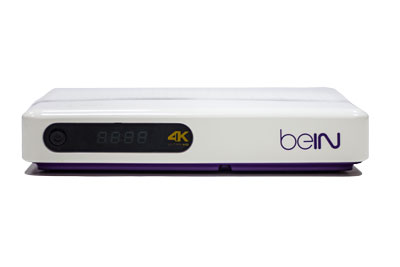
The Frequency of Nat Geo Wild Channel on All Satellites

Nat Geo Wild is one of the world’s leading channels for wildlife and nature documentaries. It captivates viewers with stunning visuals of animals in their natural habitats, educational programs, and exclusive wildlife expeditions.
For enthusiasts and families alike, having uninterrupted access to Nat Geo Wild across all satellites is essential to never miss a moment of its fascinating content.
Major Satellites transmission Nat Geo Wild
Nat Geo Wild is widely available on several satellites, making it accessible to viewers across different regions. Here are the main satellites and their frequency details:
-
NileSat
-
Frequency: 12303 MHz
-
Polarization: Vertical
-
Symbol Rate: 27500
-
Quality: HD & SD
-
-
Hotbird
-
Frequency: 11315 MHz
-
Polarization: Horizontal
-
Symbol Rate: 30000
-
Quality: HD
-
-
Astra
-
Frequency: 12188 MHz
-
Polarization: Vertical
-
Symbol Rate: 22000
-
Quality: HD
-
-
Eutelsat
-
Frequency: 11766 MHz
-
Polarization: Horizontal
-
Symbol Rate: 29900
-
Quality: SD
-
⚠️ Note: Satellite frequencies can change periodically. It is always recommended to check reliable sources or satellite guides for the most recent updates.
Tips to Ensure the Best Nat Geo Wild Reception
To enjoy Nat Geo Wild without interruptions, follow these simple steps:
-
Properly Align Your Satellite Dish: Ensure your dish is correctly pointed toward the satellite. Even minor misalignments can affect signal strength and clarity.
-
Update Receiver Settings: Input the latest frequency, polarization, and symbol rate into your receiver to maintain consistent access.
-
Use a Quality LNB: A high-quality Low-Noise Block (LNB) helps reduce signal loss, especially for HD broadcasts.
-
Regular Channel Scans: Channels occasionally change frequencies, so scanning your receiver regularly keeps Nat Geo Wild active in your channel list.
Why Nat Geo Wild is a Must-Watch Channel
Nat Geo Wild has become a global favorite because it combines education, adventure, and entertainment. From up-close animal encounters to deep-dives into ecosystems, the channel provides a unique experience that informs and inspires viewers of all ages. Its high-quality production and captivating storytelling make it stand out in the realm of wildlife television.
Best Ways to Strengthen Your Satellite Dish Signal Without Extra Cost
-
Fine-Tune the Dish Alignment
Even if channels are working, the dish may not be perfectly aligned. Make very small left, right, up, and down adjustments while monitoring the signal quality indicator on the receiver until it reaches the highest level. -
Adjust the LNB Skew Angle
Slightly rotating the LNB clockwise or counterclockwise according to the satellite position can significantly improve signal quality, especially for weak channels. -
Secure the Dish Mount Properly
Make sure all mounting bolts are tightly secured. Even minor movement caused by wind can lead to signal instability. -
Clean the Dish and LNB
Dust, dirt, or water accumulation on the dish or LNB can weaken the signal. Cleaning them with a dry cloth often makes a noticeable difference. -
Remove Any Signal Obstructions
Check for trees, buildings, or newly added objects blocking the line of sight between the dish and the satellite. -
Rearrange the Satellite Cable
Avoid tightly bending or stretching the cable, and keep it away from strong electrical sources to reduce interference. -
Restart the Receiver and Review Settings
Restarting the receiver and confirming the correct LNB type, frequency, polarization, and symbol rate settings can improve signal stability. -
Perform a Manual Channel Scan
Manual scanning often locks onto frequencies more accurately than automatic scanning in some situations. -
Focus on Signal Quality, Not Just Strength
Always prioritize the signal quality indicator rather than signal strength, as quality determines picture clarity and stability. -
Recheck Alignment After Bad Weather
Strong winds or heavy rain can slightly move the dish. Reviewing the alignment afterward helps restore optimal signal levels.